


The Nature of Luck in Gambling
Luck is often described as a mysterious force that influences outcomes, particularly in games of chance. In gambling, luck plays a significant role, but the extent to which it can be quantified is highly debated. Some players attribute their wins or losses to sheer luck, while others believe that strategy and skill can mitigate luck’s randomness. For instance, many enthusiasts enjoy the thrill of a payid casino , where the combination of luck and skill often leads to captivating experiences. This discrepancy in perception raises questions about how one can define and measure luck within the gambling context, making it an intriguing subject for both casual players and serious gamblers alike.
The unpredictable nature of gambling outcomes makes it challenging to place a numerical value on luck. For instance, in a game of roulette, the spin of the wheel is entirely random, and the outcome is outside the control of the player. This randomness leads many to label their wins and losses as purely luck-driven. Yet, understanding patterns, such as the gambler’s fallacy, suggests that many players perceive luck in a way that affects their betting behavior, thereby influencing the outcomes they expect, even if the odds remain unchanged. This perception can create a psychological barrier that complicates the true understanding of luck.
Moreover, luck can manifest in various forms, such as hot streaks or cold spells, which players often feel deeply. This subjective experience of luck can create an illusion of control, where players believe their fortune can be influenced by their actions or emotional states. While luck can indeed act as a catalyst for winning, the inherent randomness in gambling ensures that it cannot be entirely quantified, making it a complex interplay between chance and perception. As such, players must navigate their understanding of luck carefully, balancing between belief and the reality of odds.
The Mathematics of Gambling
Mathematics plays a critical role in understanding gambling, as many games are designed based on probability and odds. Each game has built-in odds that dictate the likelihood of winning or losing, creating a structured environment where luck operates. For example, slot machines have a specific return-to-player (RTP) percentage that determines the average payout over time, but individual spins can still lead to wildly varying results. This statistical approach allows gamblers to see how certain outcomes may be more likely than others, which begins to form a quantitative framework around luck.
However, while math can provide insights into the probabilities behind games, it does not account for the unpredictable nature of luck. Players may win big one night only to lose in subsequent sessions, showcasing the fickle nature of fortune in gambling. Statistical analysis can show trends over time, but the randomness inherent in games like poker or blackjack means that luck can never be completely eliminated. Therefore, while mathematics can quantify odds, it cannot quantify the subjective experience of luck that players undergo, which can vary drastically from one individual to another.
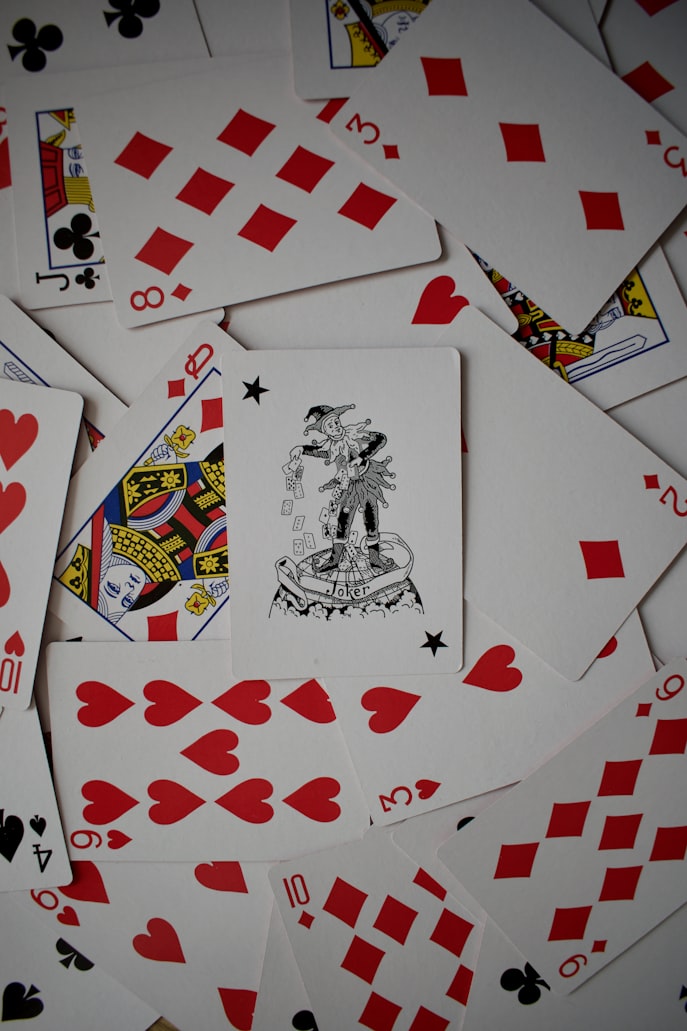
This leads to an interesting paradox: while we can calculate the odds of winning a bet, the personal experience of luck is deeply subjective and often influenced by emotional states. For instance, a player who is feeling lucky may make riskier bets or play longer than someone who feels that fortune is against them. Hence, even in a mathematically founded environment, the individual perception of luck remains a vital part of the gambling equation. Understanding this interplay between math and psychology is essential for a holistic grasp of the gambling experience.
Strategies to Manage Luck
In the realm of gambling, players often seek ways to manage their perceived luck through strategic decision-making. While some may argue that luck cannot be controlled, employing certain strategies can help players navigate the unpredictability of the game. For instance, understanding the odds and game mechanics can lead to more informed betting decisions, while effective bankroll management can extend gameplay and potentially enhance the experience during lucky streaks. Such strategies underscore the importance of a rational approach to gambling, even amidst the chaos of chance.
Another approach involves setting limits and recognizing when to walk away. Many believe that identifying patterns in luck can help, although the randomness of outcomes can make this strategy risky. By being aware of one’s emotional reactions to wins and losses, players can take steps to avoid chasing losses or succumbing to overconfidence during winning streaks. These strategies reflect an understanding that while luck is an ever-present factor, it may be possible to approach it with a level of control through sound decisions that prioritize long-term enjoyment over short-term gains.
Additionally, the psychological aspect of gambling cannot be underestimated. Maintaining a balance between luck and strategy can lead to a more enjoyable experience. Gamblers often report that their mindset influences their luck; for instance, feeling confident can lead to better decision-making, while anxiety might cloud judgment. Therefore, while luck remains an unpredictable entity, players can adopt methods to manage their approach, thereby enhancing their gambling experience. Cultivating a positive mindset and staying grounded can make all the difference in how players perceive and respond to their luck.
The Impact of Luck on Gambling Experiences
The concept of luck in gambling not only affects individual players but also shapes the gambling culture as a whole. The belief in luck can influence how people perceive winning and losing, impacting their future interactions with gambling. Players may seek out games or environments they believe are ‘luckier,’ often leading to the phenomenon known as “location luck,” where certain venues are deemed more favorable based on collective player experiences. This belief can create a sense of community among players, reinforcing the social aspect of gambling.
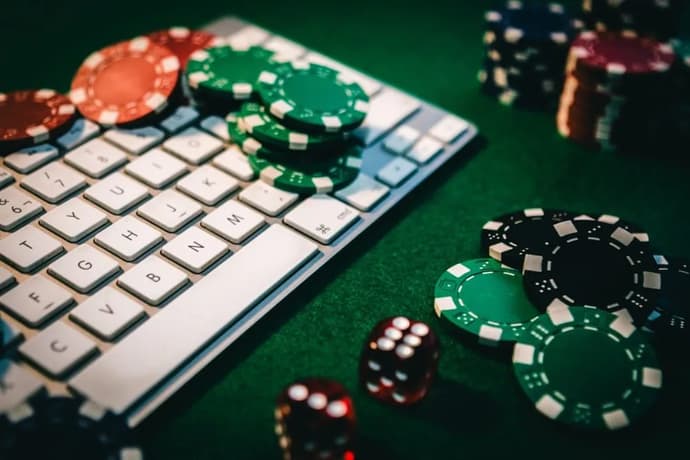
Moreover, luck contributes to the thrill and excitement that gambling offers. The anticipation of a win fuels emotional responses that can lead to a heightened sense of enjoyment. This emotional aspect makes it difficult to separate luck from the overall gambling experience. Games that offer frequent small wins can create a sense of luck that keeps players engaged, even if their overall probabilities of winning are unfavorable. Consequently, luck can be seen as an intrinsic part of why people continue to gamble, as the emotional highs and lows add to the allure of the games.
In a broader context, the societal perception of luck influences gambling legislation and marketing strategies. Casinos often play on the idea of luck, portraying themselves as lucky places where miracles can happen. This marketing reinforces the belief that luck is a tangible, quantifiable aspect of the gambling experience, drawing in new players who may not fully understand the odds at play. By perpetuating the idea of luck, the gambling industry thrives, even as the mathematical realities remain unchanged. This dynamic creates an intriguing tension between the perception of luck and the underlying statistical truths.
Insights on Luck and Gambling
In summary, while luck undeniably plays a significant role in gambling, quantifying it remains a complex challenge. The interplay of randomness, emotional perception, and mathematical probabilities creates an intricate web that cannot easily be unraveled. Players may feel lucky, but the outcomes remain governed by chance, making it essential to approach gambling with a balanced mindset between strategy and emotion. Understanding this balance can lead to a more rewarding experience, regardless of the outcome.
Understanding both the limitations and possibilities of luck allows players to enjoy gambling responsibly. By acknowledging that luck is unpredictable, players can better manage their expectations and experiences. Embracing the randomness of outcomes can lead to a more fulfilling approach, turning the act of gambling into a celebration of chance rather than a mere pursuit of winning. This philosophical shift can enrich the overall experience, allowing players to appreciate the thrill of the game itself.
On our website, we are dedicated to providing insightful resources on gambling, including tips on responsible gaming and understanding probabilities. Our goal is to help players navigate the intricacies of luck in gambling with confidence and awareness. By fostering a deeper understanding of the role of luck and strategy, we aim to enhance the overall gambling experience for everyone involved. Engaging with our content can empower players to make informed decisions, promoting a healthy relationship with gambling.